A brands DNA is the natural behaviour of the consumer and how the brand supports the customer or confuses it. So much of it is set by the product and offer.
You can set out with the DNA you desire in mind, or you restructure to optimise your brand to a DNA that allows the growth. That growth might be abaility to wholesale, maybe it's to generate greater recurring revenue and maybe it's a long term play with stead focused yearly growth building over years to decades, not quarters.
I generally bucket brands into 4 DNAs. Many brands fall into the fourth bucket.
The four shapes of brand DNA
A cohort chart screams what a brands DNA is. The P&L takes so much of the focus but it misses what generates the value.
The curve of the cohort, how current year customers influence future years revenue or not.
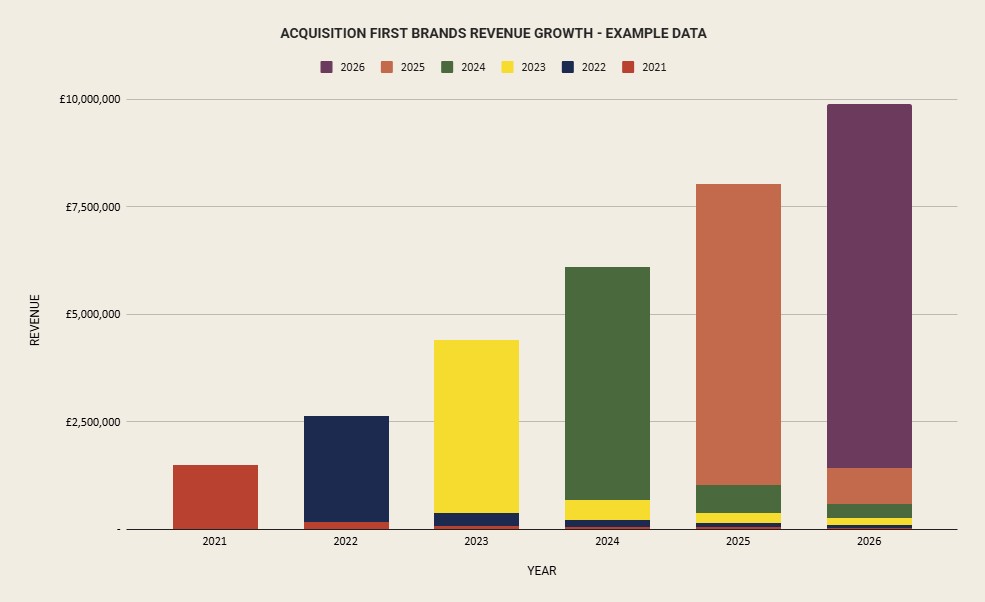
1) The acquisition brand.
You've probably heard of Ridge (formerly Ridge Wallet). If you haven't jump on DTC twitter or Spotify and you will see or hear Sean Frank talk opening around Ridge. Ridge alongside brands like Simple Modern have been built largely on being customer acquisition machines.
Acquisition-led brands like Ridge Wallet and Simple Modern are built around the first order.
Hero product, strong margin, a marketing machine that converts or in Simple Moderns world an amazing ability to leverage Amazon which has allowed them to scale without having to lean on Meta like the majority.
In both brands I'd expect the cohort curve tells the truth. A sharp spike at month zero, then a fast drop, then a thin tail that flattens out. Sean has been open about this lack of retention as a 9 figure brands to the point where they launch product weekly to one support their acquisition machine, but to also find opportunities to get existing customers back.
You can only sell so many wallets to the same people, so product diversity is key.
Not only that, but if you look at Ridge, they are masters of the cross and up sell. Add on products that go with their core line.
Once again, product supporting their marketing machine to drive acquisition.
Little side note - go check out Portland Leather. Another great example of a product led business with the aim of supporting their marketing machine.
2) The recurring revenue brand.
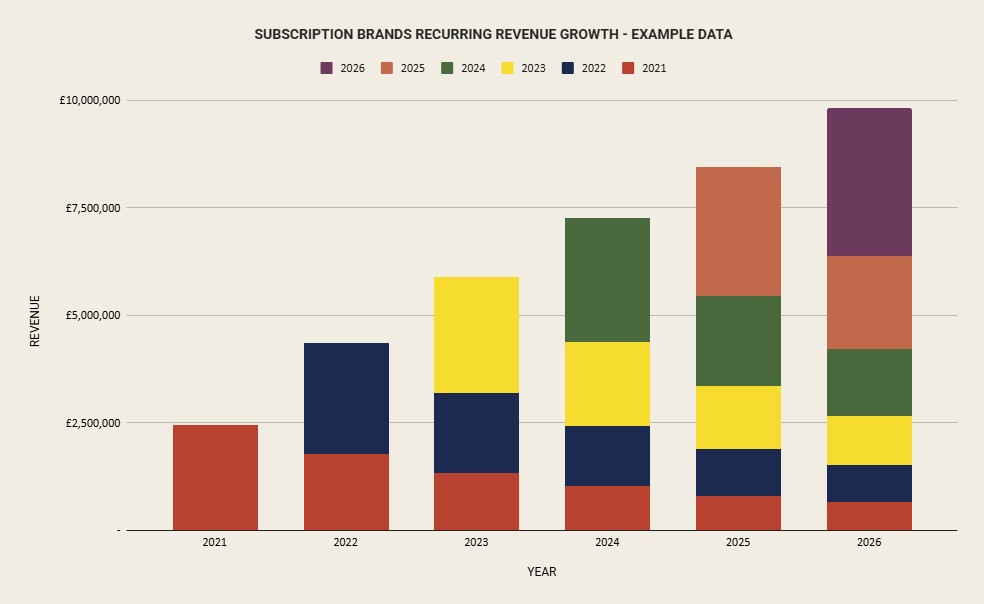
Recurring revenue brands are the current DTC darlings. These brands are high CPG brands like Simmer Eats, Years Dog Food, Hello Fresh... you know the type. The ones where you do an initial offer and then forget you had it until the next bill.
Brands like these allow themselves to lose more money up front to then make the revenue back in the months after. That is classed as negative contribution on first order with the aim of reach positive contribution by x date. Depending on scale, business position etc. determines the expected payback window.
Go agreesive, maybe it's 180 day payback.
Focused on growth but need to be more cash generative earlier, then it might be 90 days.
The DNA is lose money to make money down the line as your product is consumed by a % of users each month over a lifetime.
Imagine the possible lifetime value in the dog food world!
This business DNA is a compounding machine, but it takes guts and commitment to lean into that initial loss with the expectation of realising that cohorts value by a determined time.
The 3rd type of business is pretty normal, wait till you see the fourth.
3) The mixed customer brand.
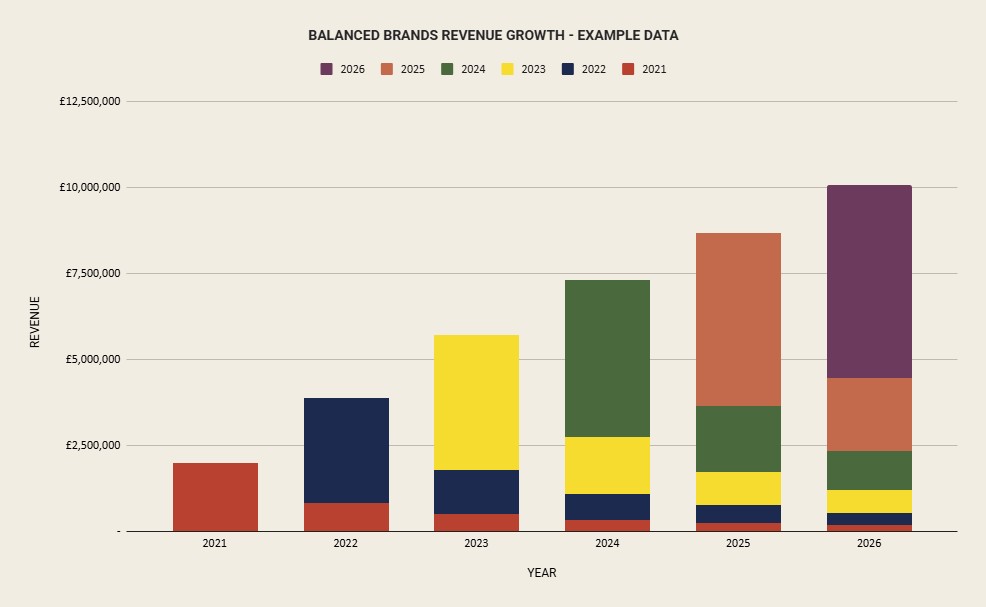
The mixed model lives between the two. They have recurring revenue, but it's built over years and is typically more limited vs the subscription type brands.
Finisterre. Passenger. Patagonia are notable brands here. Strong brand love drives repeat, but the cycle is maybe 1-2 times per year, not monthly.
The customer buys a jacket. They come back next winter for a jumper and tee. Maybe they buy a gift for someone else in between. These brands need to work like acquisition machines mentoned in brand DNA 1, but have retention revenue potential through product mix and size.
4) The confused brand.
The brand that hasn't commited to their DNA. The brand that hasn't built a system to support their business and instead created a business of confusion. The end result is stagnation, maybe descline and even possible death.
For these brands the likely issue is product and offer.
Which DNA does the product fit into and does it have product market fit.
Is the offer created to drive into a specific DNA. Subscription vs single purchase, retailer distribution vs DTC merchandiser mastering.
These brands are interesting as soemtime the simple fix is just aligning it to a DNA then building the brand growth system around that.
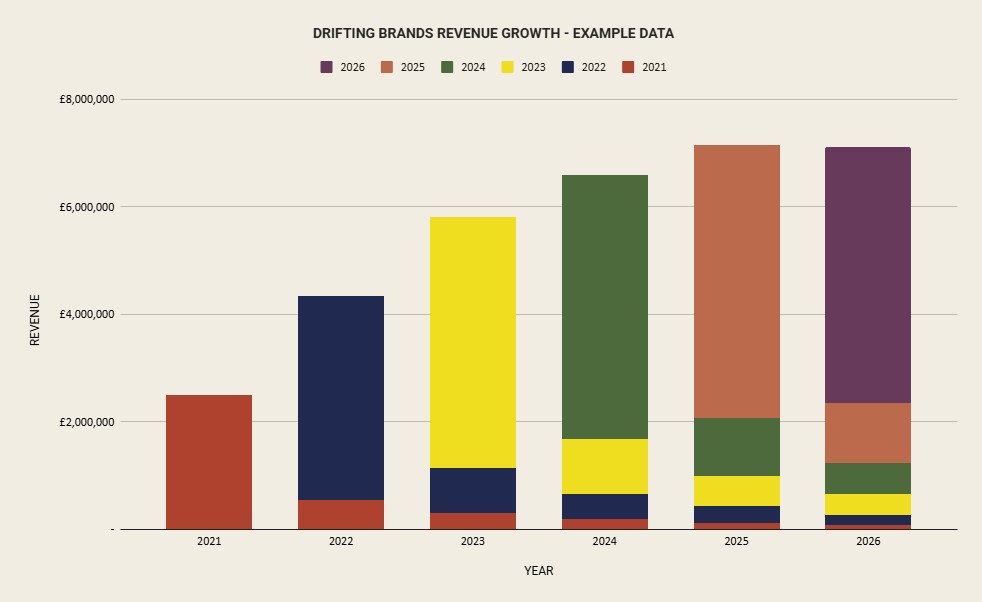
4 types of brands. 3 can win, 4 can fail if done wrong.
So which one are you?
Most founders read those four and feel a pull towards one. That pull is worth something, but it isn't the answer. The cohort curve is the answer, and it's sitting in your data right now.
Here's what to look at.
Pull your customers into monthly cohorts and track what each one spends over the following 12 months. Not total revenue. Revenue by cohort, month by month. The shape tells you everything the P&L hides.
Look at the tail first. If revenue collapses after the first month and barely recovers, you're acquisition-led whether you planned to be or not. Your business is built on the first order, so the first order has to pay. If the tail holds or climbs, you're retention-led, and the model is the months after the sale, not the sale itself. If there's a real spike and a real tail, neither dominating, you're mixed, and you need both engines running.
Then look at the product, because the product decides what's possible. A consumable that gets used up and reordered can carry a retention model. A one-off purchase can't, no matter how good the email flow is. If your cohort tail is thin and your product doesn't naturally repeat, retention isn't your problem to fix. Acquisition economics are.
Then look at the gap between the two. The dangerous position isn't being acquisition-led or retention-led. It's running one while priced for the other. Losing money on the first order while your cohorts behave like a one-and-done. Pricing for profit on order one while sitting on a product people would happily rebuy for years. That gap is the fourth type, and it's only visible when you put the cohort curve and the product reality next to each other.
None of this needs a consultant. It needs an afternoon with your order data and an honest read of the shape. Most founders have never done it. The ones who have stop guessing about their business and start seeing it.
There's a follow-up coming on how to pull this exact view out of Shopify, with a free template. For now, the work is simpler than it sounds. Pull the cohorts. Read the tail. Look at the product. The shape is already there.
You just have to look at it.